
Engineered for Performance, Reliability and Onboard Integration
Because every detail is designed to ensure high performance, long-term reliability, and perfect integration on board.
Our tanks, custom-designed for each client, are monitored through every production stage: from CAD design and custom mold creation to rotational molding production, final assembly, and 24-hour pressure testing.
They are crafted from advanced technopolymer materials, such as XLPE and evolved polyamides, to guarantee maximum resistance to fuels, solvents, high and low temperatures, impacts, and mechanical stress.
We specialize in the marine sector, and our tanks are encased and certified according to the most rigorous international standards, including ISO 21487, ISO 10088, Directive 2013/53/EU, and for specific models, the stringent American EPA/CARB regulations.
With over 200 models available, we offer solutions for:
- Fuel tanks for gasoline and diesel
- Fresh water tanks
- Grey and black water tanks
- UREA tanks
In compliance with ISO 10088, ISO 21487 and Directive 2013/53/EU, SIC fuel tanks are manufactured as rigid fuel tanks in cross-linked polymer. Each tank is equipped with dedicated accessories and an electronic level sensor, and is available in different configurations according to the client’s technical requirements.
… Load moreShowing all 150 results
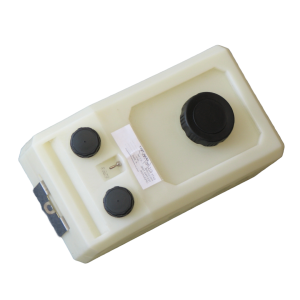

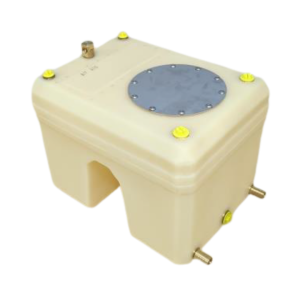
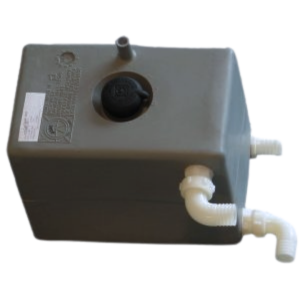
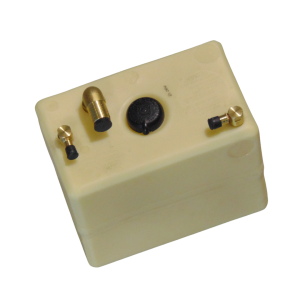

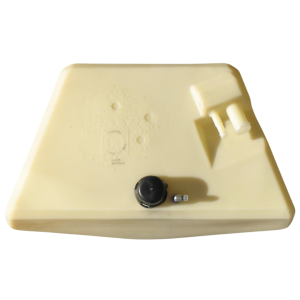
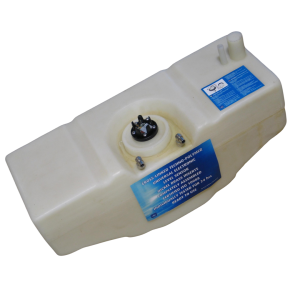
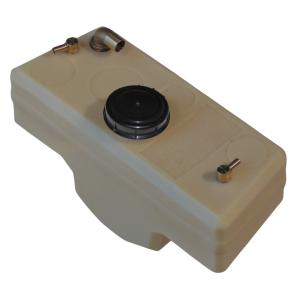
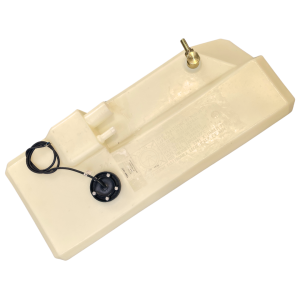



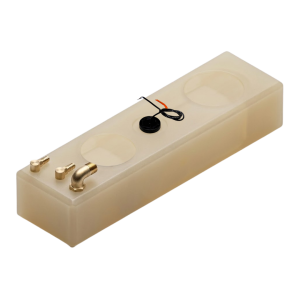
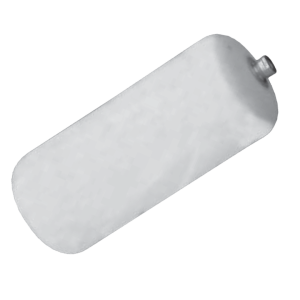

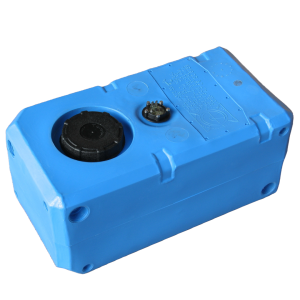
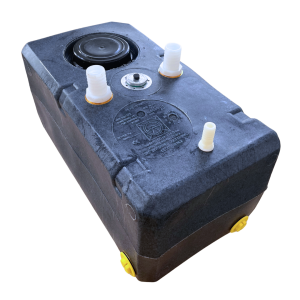
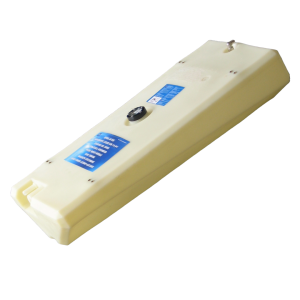

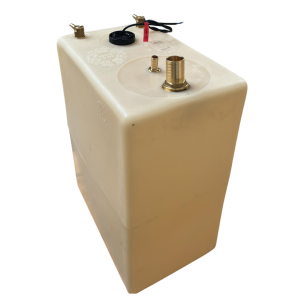
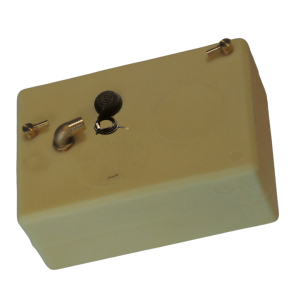
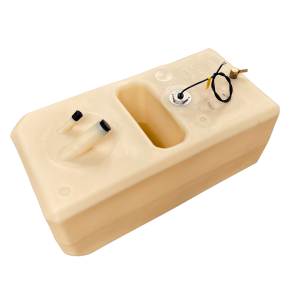



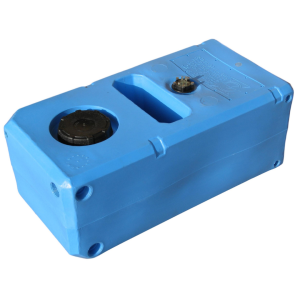
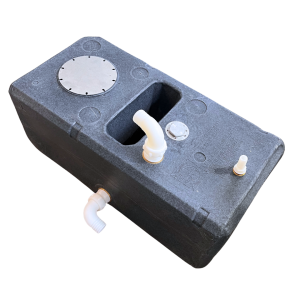




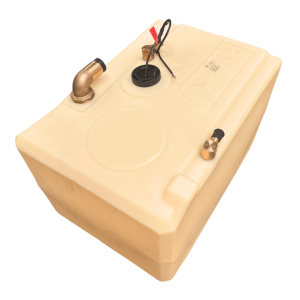
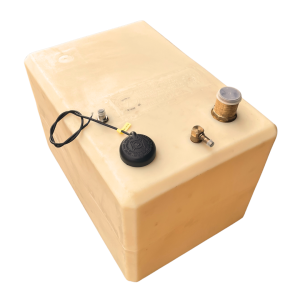

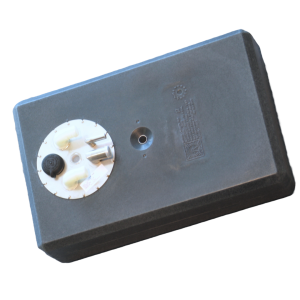
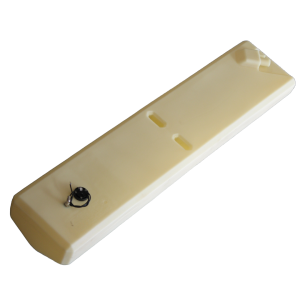
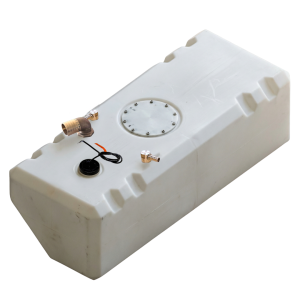
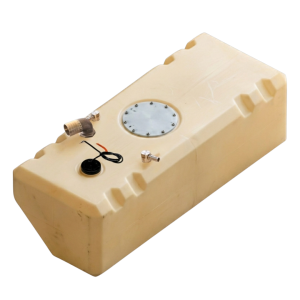
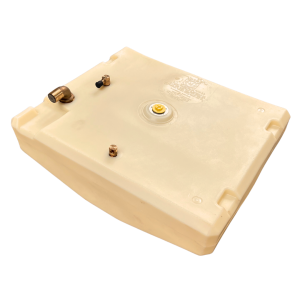
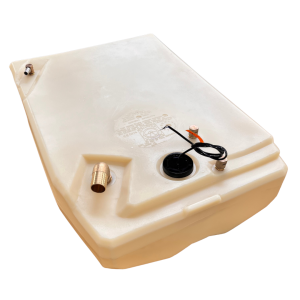

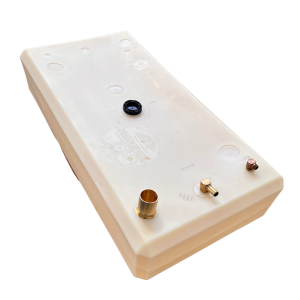
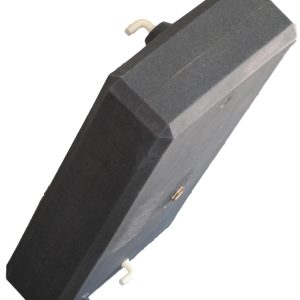

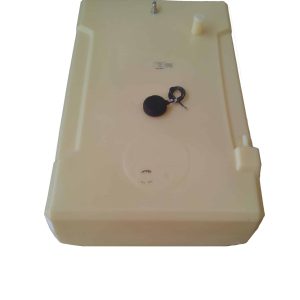
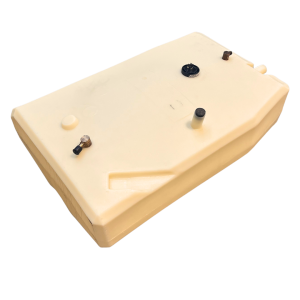
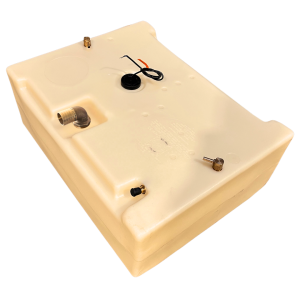


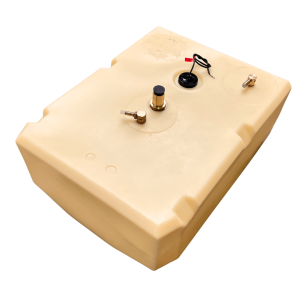

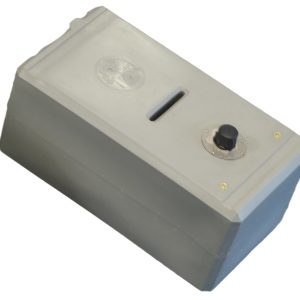
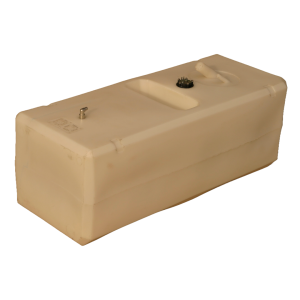
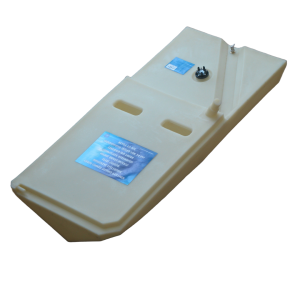
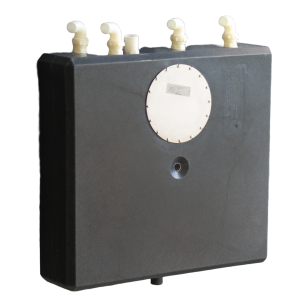


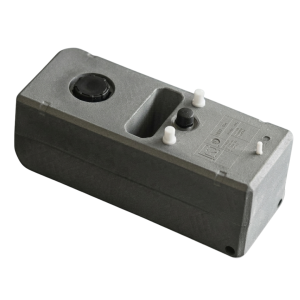
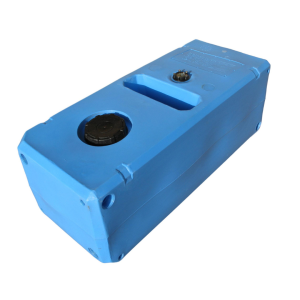

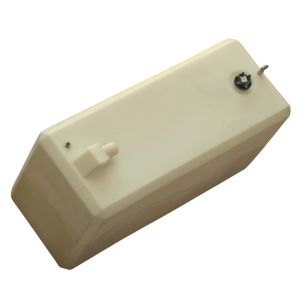



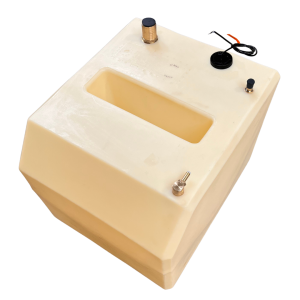

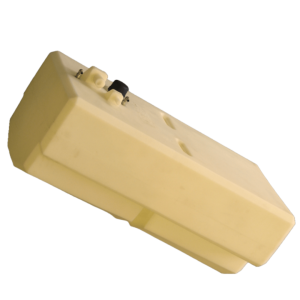


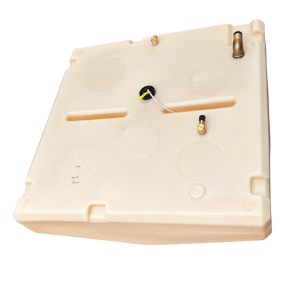
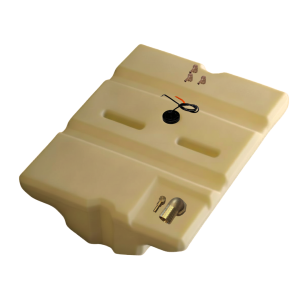

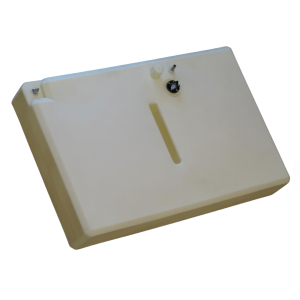
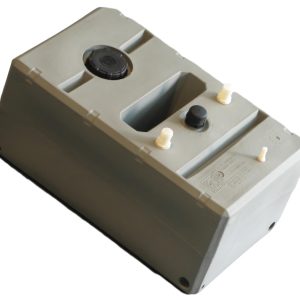
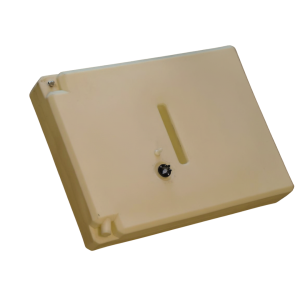
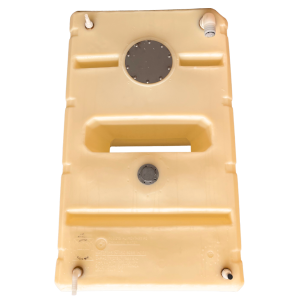
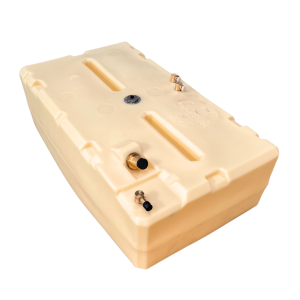
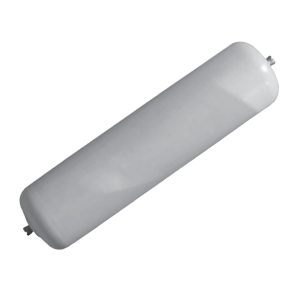
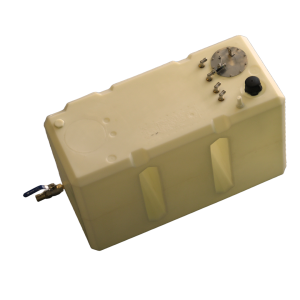
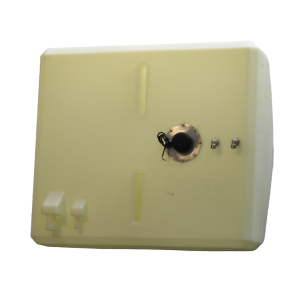

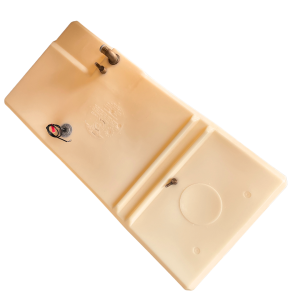
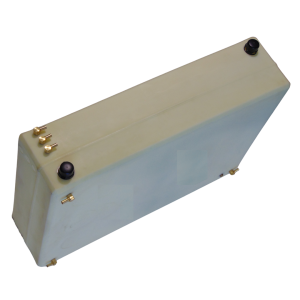


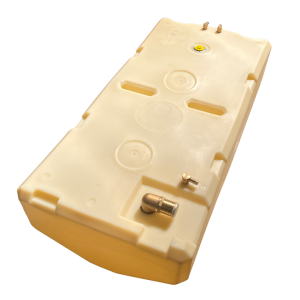
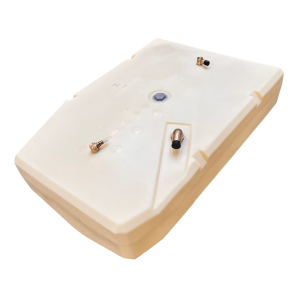
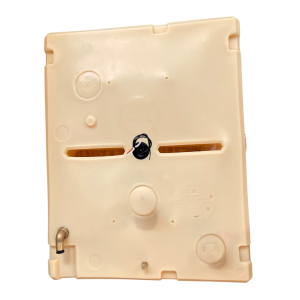
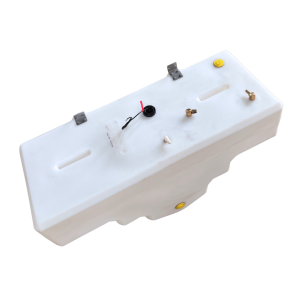

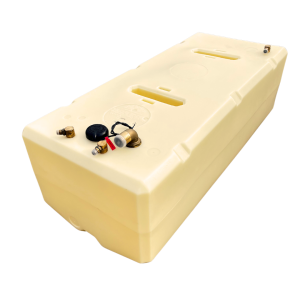
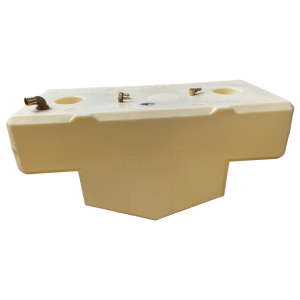
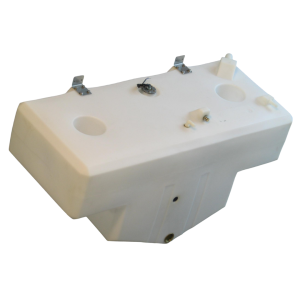
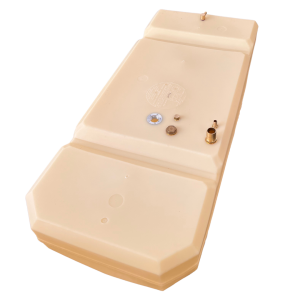

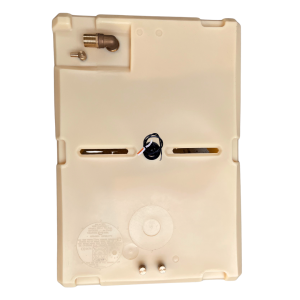
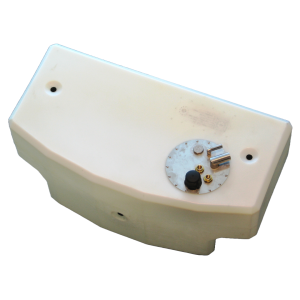
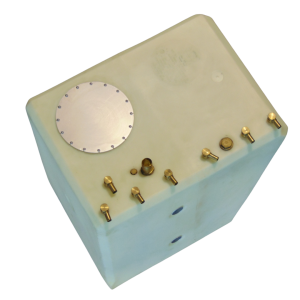
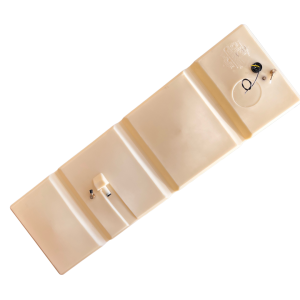




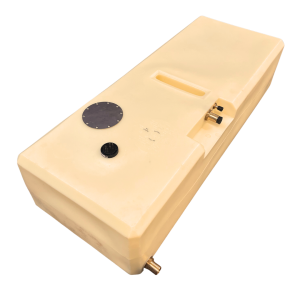

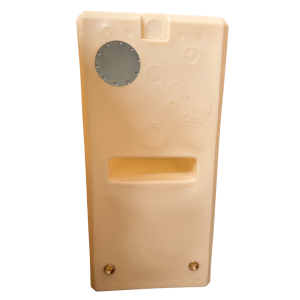
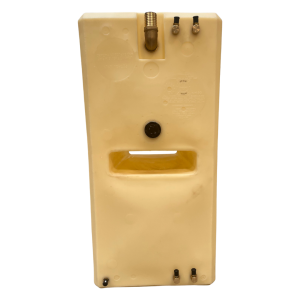

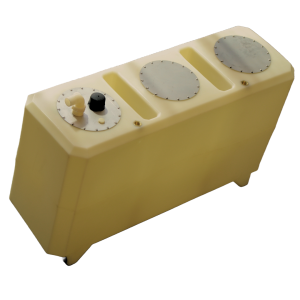

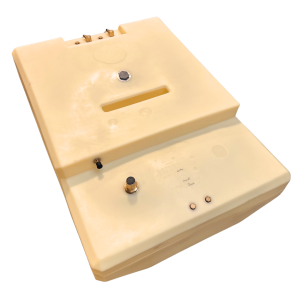


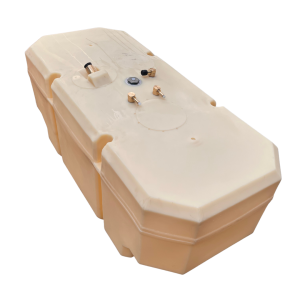
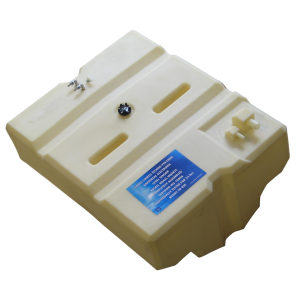
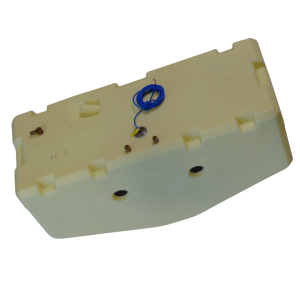
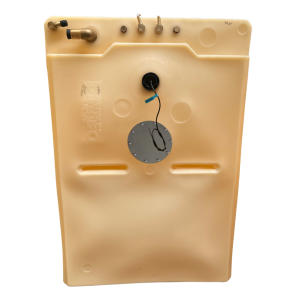

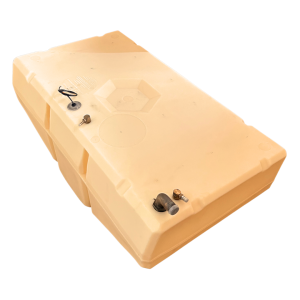
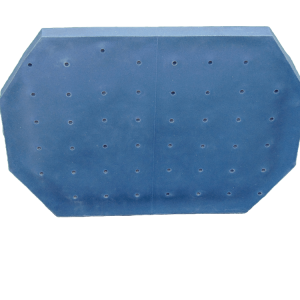
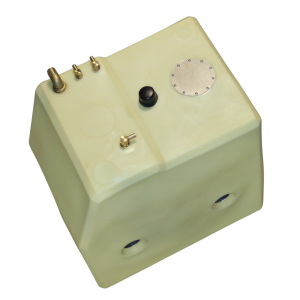
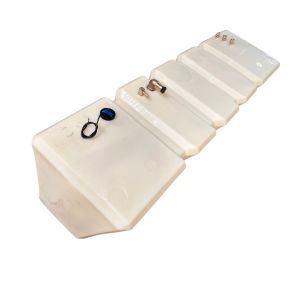
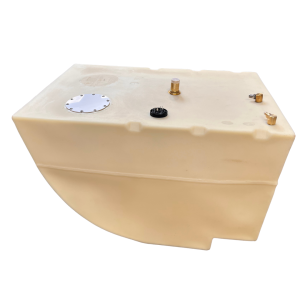
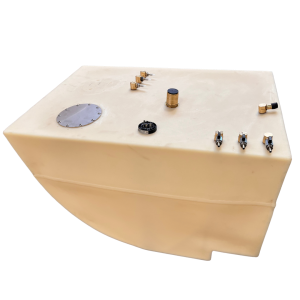
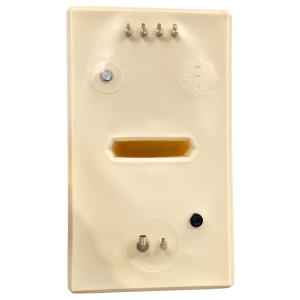
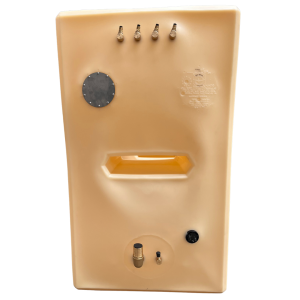
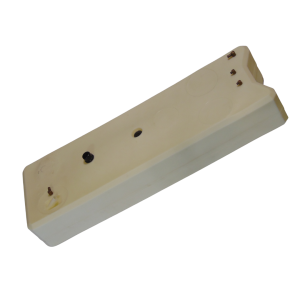



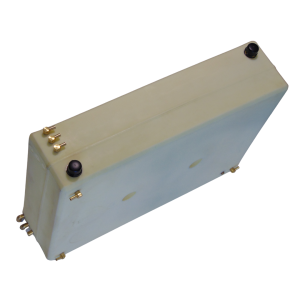

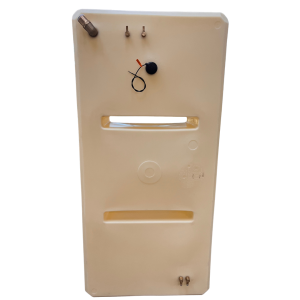

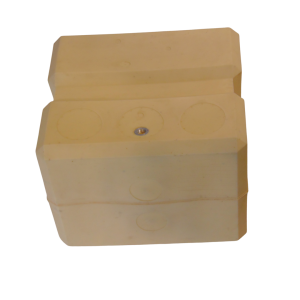
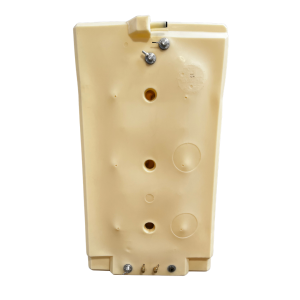
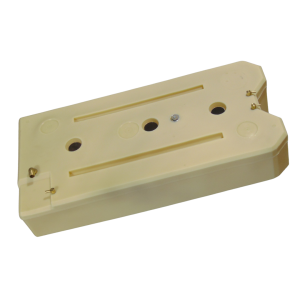
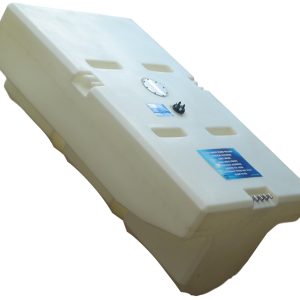

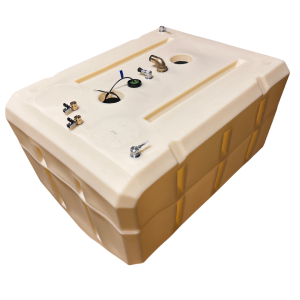
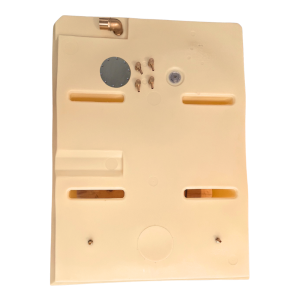
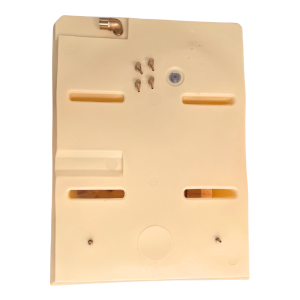
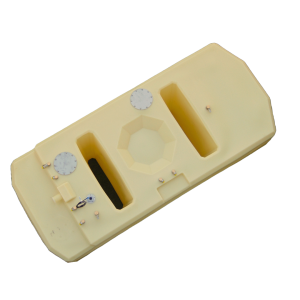
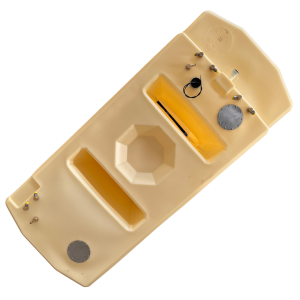

Fuel Tanks: Essential Safety and Autonomy for Navigation
Fuel tanks are at the core of a boat’s fuel supply system. Their primary function is to safely and reliably store the gasoline or diesel required by the engine, ensuring navigation autonomy while protecting against risks related to leaks, contamination, or fuel deterioration.
For this reason, choosing the right fuel tank requires careful consideration of materials, capacity, installation position, and compatibility with both the engine type and the vessel’s intended use.
A properly designed fuel tank contributes not only to safe fuel management, but also to the vessel’s overall stability. It must be securely fixed, installed in a well-ventilated compartment, and positioned away from heat sources or sparks in order to minimize any potential safety hazards.
Leak-tightness, corrosion resistance, and compatibility with both gasoline and diesel fuels are essential characteristics to ensure durability and long-term reliability.
Materials and Compatibility: The Key Role of the Fuel Tank
Fuel tanks can be manufactured from different materials, each offering specific advantages depending on the intended application and navigation environment.
Polyethylene (HDPE) tanks are lightweight, corrosion-resistant, and often ideal for small to medium-sized boats thanks to their ease of installation and maintenance.
Aluminum, stainless steel, or treated steel tanks provide greater structural strength and durability, making them particularly suitable for larger vessels or permanent installations.
The choice of material should also take into account the type of fuel used, climate conditions, exposure to saltwater, and the frequency of use.
Another critical factor when selecting a fuel tank is capacity. For short trips or engines with lower fuel consumption, compact and easily removable tanks may be sufficient.
For long-distance navigation, cruising, or high-performance engines, a larger capacity is recommended to ensure greater autonomy and reduce the need for frequent refueling stops.
A properly sized tank manufactured from suitable materials also helps maintain hull stability and balanced weight distribution — two essential factors for the vessel’s safety and maneuverability.
Why a High-Quality Fuel Tank Makes the Difference
Choosing a high-quality fuel tank means investing in safety, efficiency, and peace of mind. A well-engineered fuel system minimizes the risk of leaks, contamination, or fuel-related failures, protecting both the engine and downstream components.
In addition, correct installation — including secure mounting and proper ventilation — helps comply with safety regulations while ensuring a safer and more organized onboard environment.
From a maintenance perspective, a well-manufactured tank simplifies inspections and routine checks. Leak-proof closures, durable materials, and compatible accessories make it easier to monitor the tank’s condition, perform cleaning operations, and carry out inspections when necessary.


